








With eight state championships to its credit, Westminster has been the dominant boys’ lacrosse program in the state.


Riverwood International Charter School celebrated three student-athletes who signed letters of intent April 17 to continue their academic and …


Cookie Smoak, president of the ATL Airport District Convention and Visitors Bureau, announced that she will retire on Sept. 30.


The Taste of Alpharetta, Metro Atlanta's longest-running food festival and a highlight event of the Southeast Tourism Society, will draw culin…
Trending

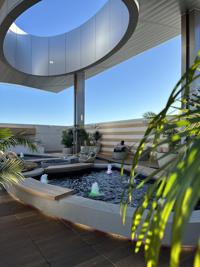
Location: Overstory is located on the 11th floor of the brand new Westin Hotel, located at 6450 Sugarloaf Parkway in Duluth.



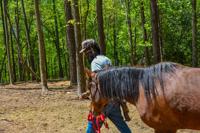

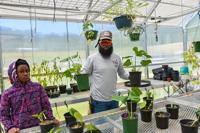


Within five years of being founded, Falah Farms has become a staple for agriculture in the areas of South Fulton and Metro Atlanta, helping the community thrive one project at a time.


East Point residents and community officials gathered to celebrate the grand opening of Aya Tower on April 23 after its $24 million redevelopment.


Trending Now
-
Riverwood Boys’ Lacrosse Overcome Early Struggles to Make State Playoffs
-
New Sandy Springs Wrestling Center Brings a New Era of Inclusivity to Northside
-
Taste of Alpharetta Returns with Culinary Delights and Family Fun on May 9
-
Future-Focused Museum Seeks 2027 Open in Atlanta
-
Postmaster General Dejoy Put in Hot Seat as Ossoff Pushes for Answers










3540 Woodhaven Road has 11 bedrooms, 13 full and 7 half bathrooms and is on the market for $35,000,000 Click here for all the photos.ON THE MARKET: A Tuxedo Park Masterpiece in the Heart of Buckhead
On The Market:

News

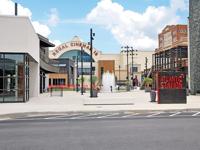
Atlantic Station and the Car Park, a parking management company, have announced a long-term partnership effective in May.

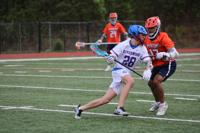
The Riverwood boys’ lacrosse team appears to be peaking at the right time as it enters the Class 5A-6A state playoffs.


A new museum is being planned for Downtown Atlanta, where it will be America’s only museum o…


The “For Sale” sign in front of Paces Ferry United Methodist Church is jarring.


Painted Pickle, a new dining, gaming and pickleball concept, has opened at Armour Yards in b…


Ashlyn Fuller will never forget the day she fell in love with wrestling.


Autism Branches hosted its third annual Autism Sensory Festival on April 13 at Wilkerson Mil…